A patio kitchen combines the hot zone, worktop, and surfaces exposed to weather. The choice of materials should describe these tasks separately. The term heat-resistant kitchen does not replace the cross-section, device information, or the method of transferring the weight of the equipment.
Draw the fire and service zone
Show the hearth, dish storage area, and tool path. Add device requirements regarding placement and clearances. Then mark the worktop supports and all materials hidden beneath the visible surface.
Check where water may reach the base and behind the cladding. A canopy over the worktop does not exclude side runoff. The conditions of each layer should correspond to its purpose, even after a change in finishing.
Assign the product to the task
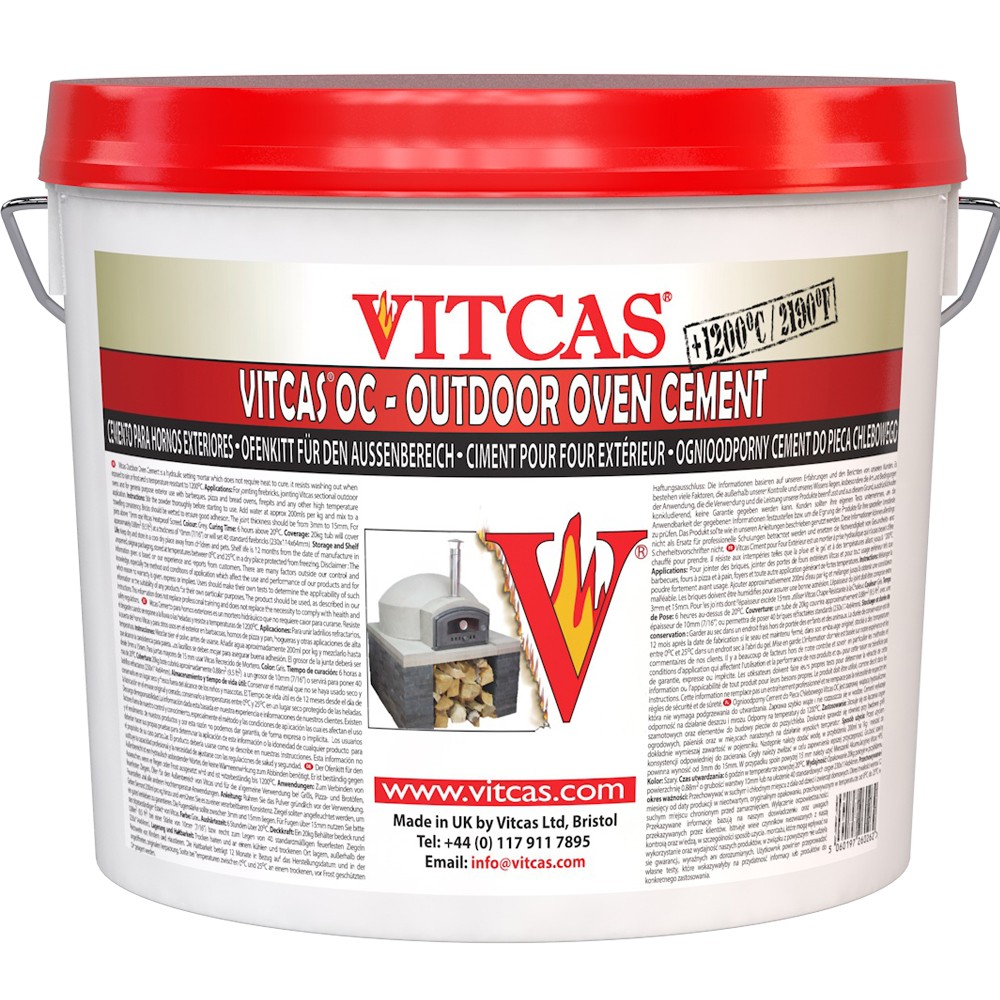
Outdoor Oven Cement is used for the described exterior refractory joints. It is not a material for arbitrary support of a steel insert or a way to close every construction joint. The geometry of the joints should correspond to the instructions.
Ceramic fibre board creates insulation in a compatible, properly supported system. HB60 has its own applications for heat-resistant connections, also suitable for outdoor work. The adhesive does not automatically make every board weather resistant.
Check details before finishing
Dry-fit the equipment and assess access to adjustments, fastenings, and removable elements. Insulation terminations and the water drainage path should be visible in the photos. Do not close the inspection point just for a smooth decorative surface.
Record the product at each layer and the required setting and drying stage. Assess readiness for first use for the complete system. When later changing the worktop or insert, return to the cross-section, as the new element may change the load and conditions of neighbouring materials.